





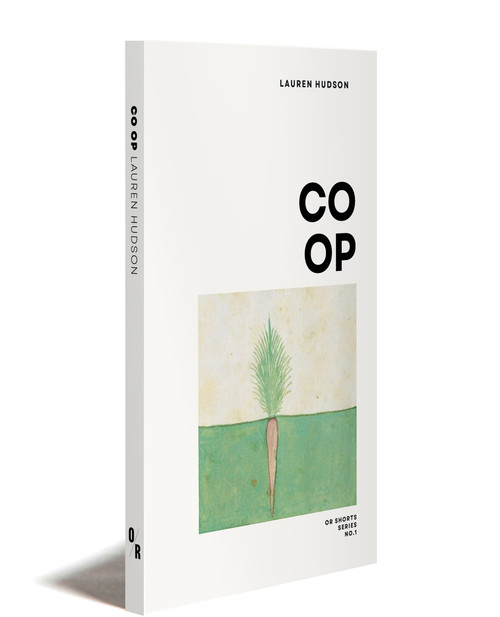

Janus City
“Lina is one of my favorite writers, and by that I mean I steal from her all the time...seriously talented with intelligence that cuts through the bullshit. No one, I mean no one, can write about Beirut better.”
—Rabih Alameddine“Janus City is a small masterwork. Lina Mounzer is one of the finest chroniclers of modern-day Lebanon...possessed of enormous talent & emotional clarity, all of it on display in this raw, beautiful book.”
—Omar El Akkad“Disaster is a literature of its own...Janus City stays inside it, recording it, seeing that nothing is forgotten...Lina Mounzer has given us a master class in what it means to not simply walk away, to abide.”
—Salar Abdohabout the bookabout
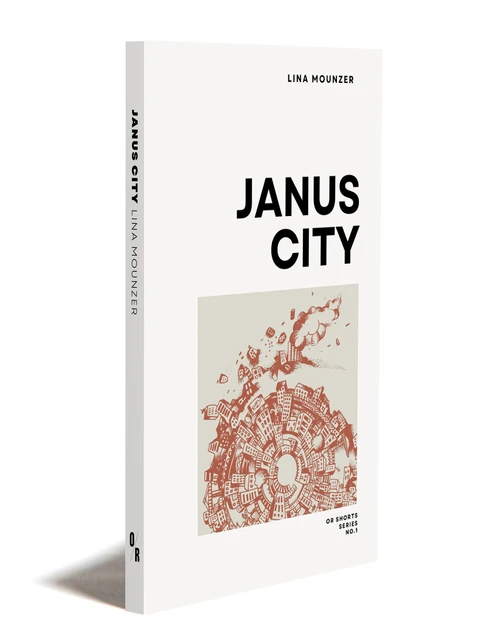
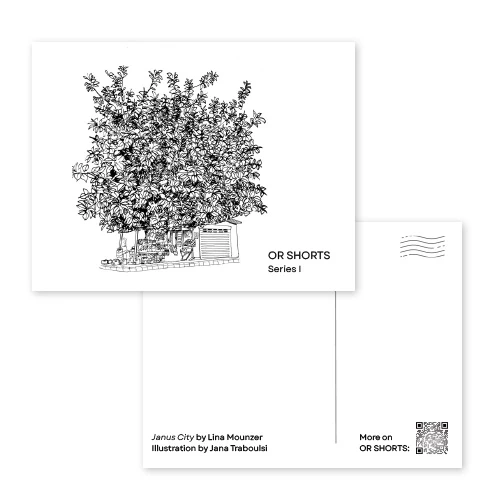
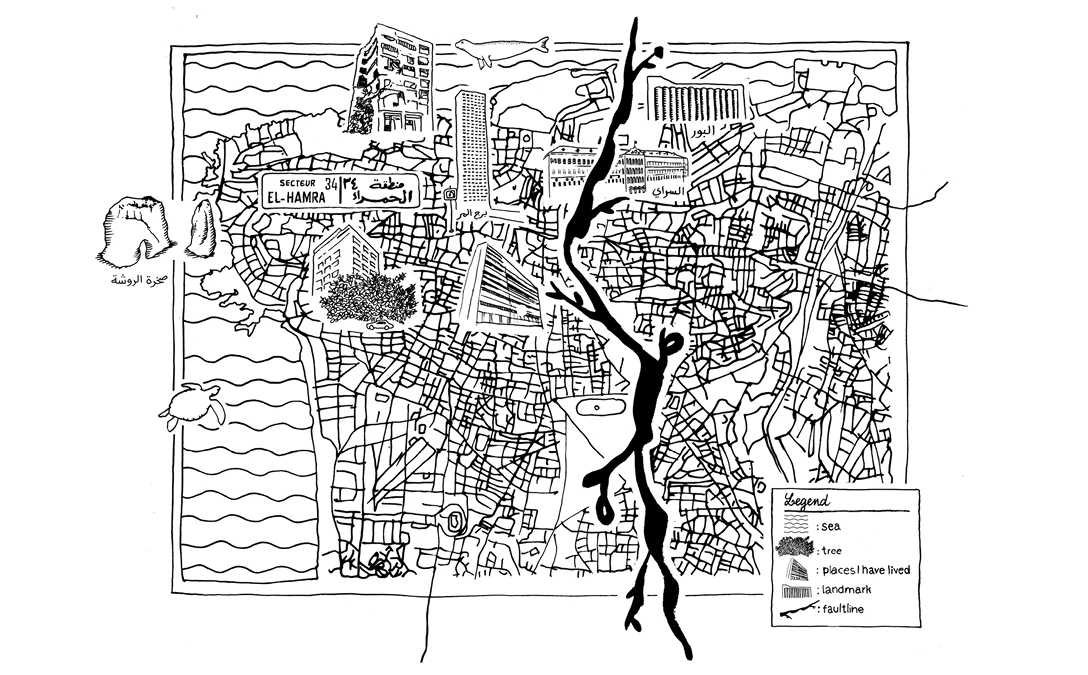
A lyrical essay interweaving a personal, political, and mythological history of Beirut, as much a place of beguiling legend as it is of political disaster. Janus City is a tribute to a beloved, complicated city, and an attempt to understand what it means to make home in a place balanced eternally on the rim of disaster. Featuring original artwork by Jana Traboulsi.

This book is a part of OR SHORTS Series I, an annual subscription of six short books released once every two months. Unified by voice-driven and incisive writing, elegant design and printing, and leftist politics approached through contemporary cultural criticism, OR SHORTS are brief and beautiful. To learn more about the subscription and its benefits, click here.
About The Author / Editor
Lina Mounzer is a Lebanese writer and translator. Her work has appeared in Equator, The Paris Review, Freeman’s, and The Baffler, as well as in the anthologies Tales of Two Planets, Best American Essays 2022, and Gaza: The Story of a Genocide. She is senior editor at literary arts and culture magazine The Markaz Review.
Preview
In that moment when the world roared and the air turned solid my first thought was, “Here it is,” even though I didn’t know what “it” was. I knew only that we had been in a time of waiting, and the waiting had been like a live ire hum in the air, full of menace and foreboding.
The summer had been hot, so hot—that humid and oppressive Beirut heat that builds for weeks and weeks, unrelieved by rain. It builds in layers, sticky with sea salt, heavy and dirty with generator soot and, that summer, the heat also thickened the darkness that had been closing in on us. For months, we had been hearing that the bankrupt state was failing to pay its many debts to the companies that supplied fuel for the electricity grid, and we knew that even our current ration of a few hours of electricity a day would soon run out, leaving us entirely without power.
The darkness was literal and figurative: the value of our currency was depreciating by the hour, prices were soaring, salaries plunging, the pharmacy shelves were increasingly empty, and more and more people were adrift and stricken in the streets, wearing their pressed best to indicate respectability, sidling up to ask in a shamefaced whisper for just a little money, whatever could be spared, for hungry children or ailing parents. It seemed impossible to imagine that this was only the beginning of the promised collapse, that there would be nothing to stop the fall into the endless dark.
So, when the world roared and my building swayed and the glass shattered and the shelves and cupboards spilled their innards, somewhere inside the vast and unnamable feeling there was an almost ecstatic relief—finally, here it was, the climax foretold by all this tension.
Anyone who lives through a cataclysm, whether personal or collective, knows that the moment in which the disaster announces itself reveals the fundamental truth about time: it is relative. The shock-ridden moment is timeless and exists in several dimensions. There are the few seconds in which the body reacts, the blood suddenly changing course in a way that is horrifyingly unnatural, either flooding or draining, either provoking motion or impeding it. Then, beyond that, is the mind: in a single, breathtaking blow, whatever ties it to the material world is severed, and it is set adrift alone, disconnected from the body and its animal quickness.
To the mind, the moment is long, long enough to embark on a thousand different thoughts and then return, reeled back into the vortex of the event. The bed on which I had been lying, trying to take a late-afternoon nap, became a storm-tossed ship, lurching nauseatingly beneath a thundering sky. Here it was, but what was it? The first thing I thought was: of course, the earthquake.
in the media
Related Interest
Related Interest
Janus City
“Lina is one of my favorite writers, and by that I mean I steal from her all the time...seriously talented with intelligence that cuts through the bullshit. No one, I mean no one, can write about Beirut better.”
—Rabih Alameddine“Janus City is a small masterwork. Lina Mounzer is one of the finest chroniclers of modern-day Lebanon...possessed of enormous talent & emotional clarity, all of it on display in this raw, beautiful book.”
—Omar El Akkad“Disaster is a literature of its own...Janus City stays inside it, recording it, seeing that nothing is forgotten...Lina Mounzer has given us a master class in what it means to not simply walk away, to abide.”
—Salar Abdohabout the bookabout
A lyrical essay interweaving a personal, political, and mythological history of Beirut, as much a place of beguiling legend as it is of political disaster. Janus City is a tribute to a beloved, complicated city, and an attempt to understand what it means to make home in a place balanced eternally on the rim of disaster. Featuring original artwork by Jana Traboulsi.
This book is a part of OR SHORTS Series I, an annual subscription of six short books released once every two months. Unified by voice-driven and incisive writing, elegant design and printing, and leftist politics approached through contemporary cultural criticism, OR SHORTS are brief and beautiful. To learn more about the subscription and its benefits, click here.
About The Author / Editor
Lina Mounzer is a Lebanese writer and translator. Her work has appeared in Equator, The Paris Review, Freeman’s, and The Baffler, as well as in the anthologies Tales of Two Planets, Best American Essays 2022, and Gaza: The Story of a Genocide. She is senior editor at literary arts and culture magazine The Markaz Review.
Preview
In that moment when the world roared and the air turned solid my first thought was, “Here it is,” even though I didn’t know what “it” was. I knew only that we had been in a time of waiting, and the waiting had been like a live ire hum in the air, full of menace and foreboding.
The summer had been hot, so hot—that humid and oppressive Beirut heat that builds for weeks and weeks, unrelieved by rain. It builds in layers, sticky with sea salt, heavy and dirty with generator soot and, that summer, the heat also thickened the darkness that had been closing in on us. For months, we had been hearing that the bankrupt state was failing to pay its many debts to the companies that supplied fuel for the electricity grid, and we knew that even our current ration of a few hours of electricity a day would soon run out, leaving us entirely without power.
The darkness was literal and figurative: the value of our currency was depreciating by the hour, prices were soaring, salaries plunging, the pharmacy shelves were increasingly empty, and more and more people were adrift and stricken in the streets, wearing their pressed best to indicate respectability, sidling up to ask in a shamefaced whisper for just a little money, whatever could be spared, for hungry children or ailing parents. It seemed impossible to imagine that this was only the beginning of the promised collapse, that there would be nothing to stop the fall into the endless dark.
So, when the world roared and my building swayed and the glass shattered and the shelves and cupboards spilled their innards, somewhere inside the vast and unnamable feeling there was an almost ecstatic relief—finally, here it was, the climax foretold by all this tension.
Anyone who lives through a cataclysm, whether personal or collective, knows that the moment in which the disaster announces itself reveals the fundamental truth about time: it is relative. The shock-ridden moment is timeless and exists in several dimensions. There are the few seconds in which the body reacts, the blood suddenly changing course in a way that is horrifyingly unnatural, either flooding or draining, either provoking motion or impeding it. Then, beyond that, is the mind: in a single, breathtaking blow, whatever ties it to the material world is severed, and it is set adrift alone, disconnected from the body and its animal quickness.
To the mind, the moment is long, long enough to embark on a thousand different thoughts and then return, reeled back into the vortex of the event. The bed on which I had been lying, trying to take a late-afternoon nap, became a storm-tossed ship, lurching nauseatingly beneath a thundering sky. Here it was, but what was it? The first thing I thought was: of course, the earthquake.