



Killing Baby Hitler
“Gripping, funny, and wildly plausible. Mixing humor and fantasy and political rage … an urgent, darkly magical fable.”
—Joseph O’Neill“Savagely funny, unexpected, creative, inventive—really explains the dark times we live in.”
—Molly Jong-Fast“A philosophic thriller like no other—will make you rethink everything you thought about Hitler, history, evil, and the future.”
—Ron Rosenbaum“Fabulous in every sense, a super-smart romp through the history—histories—of the last and next century or so...a fun, thought-provoking, Kurt Vonnegut-Dr. Who-Connie Willis-Douglas Adams kind of book.”
—Kurt Andersenabout the bookabout
In the year 2141, the planet is ruled by billionaires, democracy is a relic, the environment is collapsing, and Illinois is home to thirty-foot alligators. When a ragtag team of scientists discovers the secret to time travel, they set their sights on history’s most infamous villain: baby Adolf Hitler.
The mission doesn’t go quite as planned.
Because rewriting history is never simple. Instead of preventing the rise of fascism, they trigger a bizarre new timeline in which Hitler grows up in America, editing one of the country’s most hateful newspapers, and history warps in strange and unsettling ways. What begins as a darkly funny scheme to fix the past spirals into a mind-bending journey across centuries, as the time travelers confront unintended consequences, shifting timelines, and a future that may be even worse than the one they left behind.
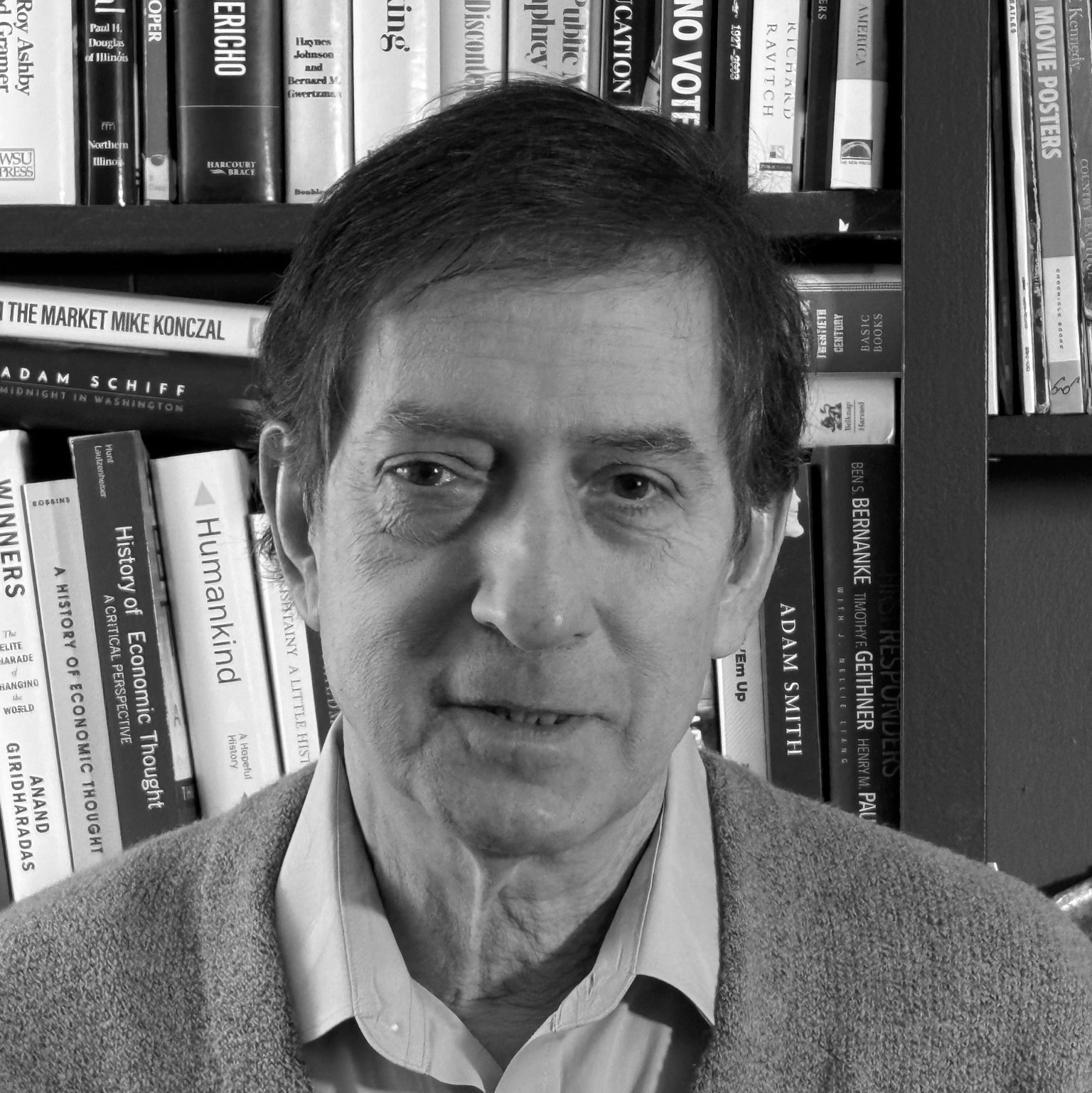
Part sci-fi thriller, part biting satire, Killing Baby Hitler is Michael Tomasky’s first work of fiction—a wildly original novel that skewers power, questions the logic of hindsight, and reminds us that the present may be the hardest time of all to change. Bold, provocative, and disturbingly plausible, it’s a time-travel tale like no other.
About The Author / Editor
Preview
The criminal mind—and, let’s face it, at this precise moment, our heroes were criminals, infanticide most certainly a crime—always misses something; it never thinks of everything. In the current case, it had never occurred to Karl or Harry that Klara, this figure to whom history had assigned such a meek and passive profile, would have the reflexes, strength, or will to put up any sort of fight. But she did. And it stood to reason, after all, to anyone with even a cursory familiarity with nature—a mother will always attack if she senses that her infant is threatened. So this ancient and iron law of nature asserted itself.
“Wer seid ihr wirklich? Was wollt ihr?” Who are you really, what do you want? Klara screamed. Karl had recovered by now and was wrestling to get the sponge over Klara’s mouth. “Go to the baby!” Karl screamed to Harry in English. “Do it! Now!”
Harry went over to the settee and grabbed a pillow. A blanket covered the bassinet; he whipped it off. There lay Adolf Hitler. Awake, eyes darting about, evidently alert to the noise around him, but not crying. But Harry was shaken. His knees were wobbling, heart pounding.
Finally, Karl subdued Klara, managing to render her unconscious; but he, too, was clearly shaken. He sat on the floor next to the unconscious Mutti.
The baby looked up at Harry with a welcoming face. He flapped his pudgy little arms and legs. He shook his adorable little fingers and toes. He made a couple of impossibly cute noises. He tilted his head to the left and opened his eyes a little wider as he stared up at Harry’s elongated, sallow face.
Harry of course had thought, and thought, about this moment. What he had thought was roughly this. There, before me, will be this human being. Not only that: this baby. An innocent—yes, even Adolf Hitler, at three months, is an innocent. But I cannot focus on that. I must be strong. I must think of the political opponents savagely murdered. I must think of the war dead. I must think of London during the blitz. Glorious Paris berimmed by swastikas. Most of all, I must think of Auschwitz. Speaking of three-month-old infants, plenty of them were murdered there. I must think of them; the God-knows-how-many thousands of babies—babies!—who didn’t even know what was happening to them and who took their final, desperate, and desperately painful breaths, breaths that set their defenseless, tiny lungs, lungs that had never even smelled a rose, on thousand-degree fire, because this demented ape man thought of them as vermin. I must do what I came here to do. He pushed the pillow down on the infant’s face. For three or so seconds, nothing. Is this just going to be that easy? he thought. Then—wild screaming, so loud, loud enough to be heard throughout the building, surely. Violent kicking and arm-waving. Harry pulled the pillow away—but he did so completely involuntarily, as a reaction to the violent (and surprisingly strong!) kicks. He felt guilty, horribly guilty, once he realized he’d pulled the pillow away. The blitz! Auschwitz! Those little lungs! Do this, now!
Karl had collected himself by now and rose to stand at Harry’s side. “Well?” he demanded.
“Kid’s stronger than I thought,” Harry said.
“Sure, he’s strong,” countered Karl. “He’s Hitler!”
Harry smushed the pillow down again on the infant’s face. This time, the caterwauling started instantly. Then Harry pushed harder. Then the crying stopped, replaced by a muffled pleading. The little arms and legs were still kicking. But in a few moments, they began to kick a little more slowly, then a little slower still . . . It all happened so fast. Suddenly, there was a rap on the door. A hard rap—not the knock of a hand, but the thwack of a stick or hard object of some kind. A voice shouted, a man’s voice, asking what was going on, was everything all right? The door flung open. Harry and Karl turned to see the voice’s author, a man, an old man. Stooped, shuffling, but thin and wiry and, for a septuagenarian, kind of muscular and pretty agile. He came toward them shaking his cane, screaming at them. “Ihr Kriminellen! Lass das Kind los!” You criminals! Unhand that child!
in the media
Related Interest
Related Interest
Killing Baby Hitler
“Gripping, funny, and wildly plausible. Mixing humor and fantasy and political rage … an urgent, darkly magical fable.”
—Joseph O’Neill“Savagely funny, unexpected, creative, inventive—really explains the dark times we live in.”
—Molly Jong-Fast“A philosophic thriller like no other—will make you rethink everything you thought about Hitler, history, evil, and the future.”
—Ron Rosenbaum“Fabulous in every sense, a super-smart romp through the history—histories—of the last and next century or so...a fun, thought-provoking, Kurt Vonnegut-Dr. Who-Connie Willis-Douglas Adams kind of book.”
—Kurt Andersenabout the bookabout
In the year 2141, the planet is ruled by billionaires, democracy is a relic, the environment is collapsing, and Illinois is home to thirty-foot alligators. When a ragtag team of scientists discovers the secret to time travel, they set their sights on history’s most infamous villain: baby Adolf Hitler.
The mission doesn’t go quite as planned.
Because rewriting history is never simple. Instead of preventing the rise of fascism, they trigger a bizarre new timeline in which Hitler grows up in America, editing one of the country’s most hateful newspapers, and history warps in strange and unsettling ways. What begins as a darkly funny scheme to fix the past spirals into a mind-bending journey across centuries, as the time travelers confront unintended consequences, shifting timelines, and a future that may be even worse than the one they left behind.
Part sci-fi thriller, part biting satire, Killing Baby Hitler is Michael Tomasky’s first work of fiction—a wildly original novel that skewers power, questions the logic of hindsight, and reminds us that the present may be the hardest time of all to change. Bold, provocative, and disturbingly plausible, it’s a time-travel tale like no other.
About The Author / Editor
Preview
The criminal mind—and, let’s face it, at this precise moment, our heroes were criminals, infanticide most certainly a crime—always misses something; it never thinks of everything. In the current case, it had never occurred to Karl or Harry that Klara, this figure to whom history had assigned such a meek and passive profile, would have the reflexes, strength, or will to put up any sort of fight. But she did. And it stood to reason, after all, to anyone with even a cursory familiarity with nature—a mother will always attack if she senses that her infant is threatened. So this ancient and iron law of nature asserted itself.
“Wer seid ihr wirklich? Was wollt ihr?” Who are you really, what do you want? Klara screamed. Karl had recovered by now and was wrestling to get the sponge over Klara’s mouth. “Go to the baby!” Karl screamed to Harry in English. “Do it! Now!”
Harry went over to the settee and grabbed a pillow. A blanket covered the bassinet; he whipped it off. There lay Adolf Hitler. Awake, eyes darting about, evidently alert to the noise around him, but not crying. But Harry was shaken. His knees were wobbling, heart pounding.
Finally, Karl subdued Klara, managing to render her unconscious; but he, too, was clearly shaken. He sat on the floor next to the unconscious Mutti.
The baby looked up at Harry with a welcoming face. He flapped his pudgy little arms and legs. He shook his adorable little fingers and toes. He made a couple of impossibly cute noises. He tilted his head to the left and opened his eyes a little wider as he stared up at Harry’s elongated, sallow face.
Harry of course had thought, and thought, about this moment. What he had thought was roughly this. There, before me, will be this human being. Not only that: this baby. An innocent—yes, even Adolf Hitler, at three months, is an innocent. But I cannot focus on that. I must be strong. I must think of the political opponents savagely murdered. I must think of the war dead. I must think of London during the blitz. Glorious Paris berimmed by swastikas. Most of all, I must think of Auschwitz. Speaking of three-month-old infants, plenty of them were murdered there. I must think of them; the God-knows-how-many thousands of babies—babies!—who didn’t even know what was happening to them and who took their final, desperate, and desperately painful breaths, breaths that set their defenseless, tiny lungs, lungs that had never even smelled a rose, on thousand-degree fire, because this demented ape man thought of them as vermin. I must do what I came here to do. He pushed the pillow down on the infant’s face. For three or so seconds, nothing. Is this just going to be that easy? he thought. Then—wild screaming, so loud, loud enough to be heard throughout the building, surely. Violent kicking and arm-waving. Harry pulled the pillow away—but he did so completely involuntarily, as a reaction to the violent (and surprisingly strong!) kicks. He felt guilty, horribly guilty, once he realized he’d pulled the pillow away. The blitz! Auschwitz! Those little lungs! Do this, now!
Karl had collected himself by now and rose to stand at Harry’s side. “Well?” he demanded.
“Kid’s stronger than I thought,” Harry said.
“Sure, he’s strong,” countered Karl. “He’s Hitler!”
Harry smushed the pillow down again on the infant’s face. This time, the caterwauling started instantly. Then Harry pushed harder. Then the crying stopped, replaced by a muffled pleading. The little arms and legs were still kicking. But in a few moments, they began to kick a little more slowly, then a little slower still . . . It all happened so fast. Suddenly, there was a rap on the door. A hard rap—not the knock of a hand, but the thwack of a stick or hard object of some kind. A voice shouted, a man’s voice, asking what was going on, was everything all right? The door flung open. Harry and Karl turned to see the voice’s author, a man, an old man. Stooped, shuffling, but thin and wiry and, for a septuagenarian, kind of muscular and pretty agile. He came toward them shaking his cane, screaming at them. “Ihr Kriminellen! Lass das Kind los!” You criminals! Unhand that child!