


Related Interest





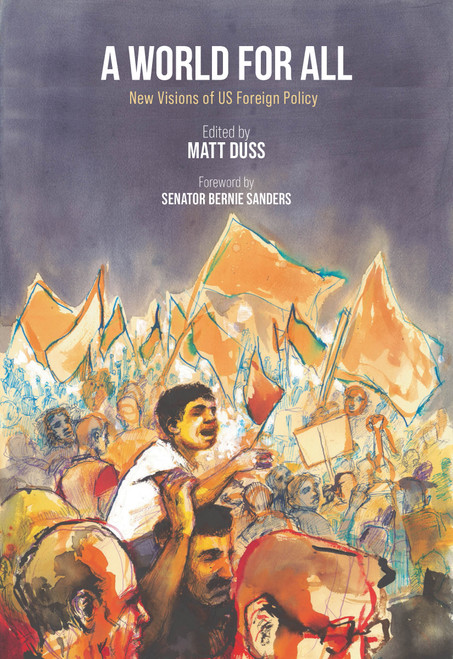
A World For All
“The struggle between oligarchy and democracy will define our era. This book offers a blueprint for how the United States can win that struggle and help build a more just and peaceful world.”
—Senator Bernie Sandersabout the bookabout
US foreign policy is a mess: the establishment remains committed to global military primacy at almost any cost, fueling an endless struggle for dominance abroad while draining resources and eroding democratic liberties at home.
A World for All advances a new vision: one skeptical of runaway defense spending where private contractors siphon off more than half of the $1 trillion military budget, and of fossil fuel and pharmaceutical companies shaping policy to their own advantage. Elon Musk spent $270 million electing Donald Trump, then dismantled US foreign assistance, a reckless act that is costing hundreds of thousands of lives. How much of foreign policy is distorted by moneyed interests like these? This book makes the case for a new vision, one committed to tackling inequality through a pro-worker international agenda.
With a foreword by Bernie Sanders, progressive thinkers here lay out a practical framework for foreign policy change: revisiting the president’s sole authority to launch a nuclear strike, restoring the Office of Technology Assessment (which operated from 1977 to 1995) to regulate AI, and rethinking policy toward China, Latin America, the Middle East, climate, foreign aid, migration, and Africa.
With contributions by: Kelsey D. Atherton, Max Bergmann, Michael Brenes, Thanassis Cambanis, Molly Crabapple, Aude Darnal, Kelsey Davenport, Thierry Dongala, María José Espinosa, Robert Farley, Andrea R. Flores, Julia Gledhill, Noah Gordon, William D. Hartung, Zaha Hassan, Nola Haynes, Heather Hurlburt, Van Jackson, Michael Kimmage, Jeremy Konyndyk, Xiaodon Liang, Casey Michel, Nancy Okail, Michael Paarlberg, Rachel Rizzo, Karin Ryan, Michael Schiffer, Sandy Shan, Trevor Sutton, Ari Tolany, Jake Werner, Sarah Yager
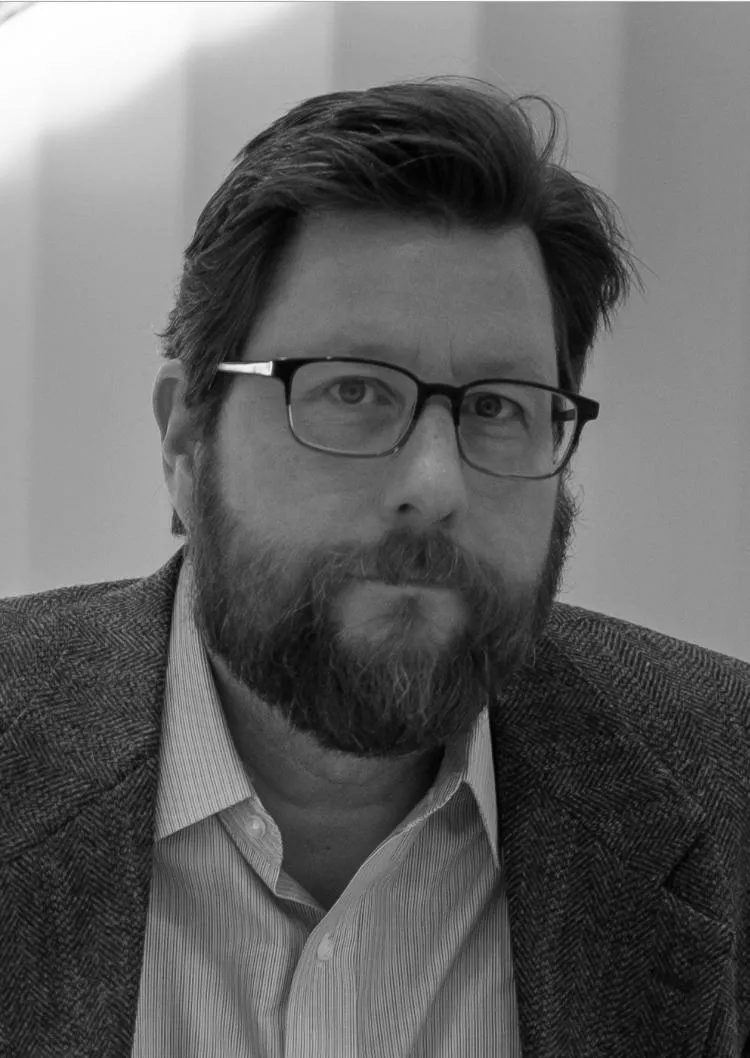
About The Author / Editor
Preview
For too long, US foreign policy has been shaped by a narrow consensus that serves the powerful few rather than the democratic many. That old consensus—plagued by militarism, corporate power, and the selective application of international law—has now collapsed, its foundations rotted away by corruption and hypocrisy.
This book asks what progressives should offer as a replacement. It begins from a simple premise: that the United States should be promoting peace, not endless war. It explains how, to achieve that goal, we must confront the concentration of wealth and power that has warped both our domestic politics and our role in the world. And it offers an alternative approach, rooted in enlightened self-interest and genuine partnership, that recognizes our common humanity.
Underpinning this book is the central question of who will govern, the many or the few—democracy or oligarchy. This contest will determine whether we meet the climate crisis or succumb to it; whether technology like AI is regulated in the public interest or used as a tool of control; whether democracies deliver for ordinary people or continue ceding power to billionaires and multinational corporations. This struggle is playing out around the world, from Washington to Brussels, Brasília to Budapest, and New Delhi to Riyadh.
The challenge is daunting. Today, almost 3.6 billion people live in poverty while the richest 1 percent own nearly half of all global wealth. In the United States of America, three people own more wealth than the bottom half of society. Despite enormous gains in productivity, people across the industrialized world are working longer hours for lower wages. Pensions have been cut, social safety nets shredded, and public services hollowed out. People increasingly fear that their children will have a lower standard of living than they do.
Meanwhile, as governments fail to meet the needs of working families, the billionaire class has siphoned an estimated $21 to $32 trillion into offshore tax havens. This money is never taxed or even spent; it simply ensures the super-rich get even richer. These oligarchs spend freely to protect their wealth and power, buying influence and elections to ensure that governments serve them rather than ordinary citizens. The present scale of corruption and kleptocracy is staggering, now supercharged by the embrace of cryptocurrency.
It is therefore no surprise that so many people feel abandoned by their governments. Some turn away from politics altogether, while others embrace authoritarian demagogues who channel people’s fear and economic insecurity into resentment. These demagogues blame immigrants or minorities to distract from the real causes of widening inequality: multinational corporations and the billionaire class who capture an ever-larger share of global wealth for themselves. Both outcomes—apathy and authoritarianism—erode the foundations of democracy and threaten the universal human rights that should anchor any just foreign policy.
in the media
Related Interest
Related Interest
A World For All
“The struggle between oligarchy and democracy will define our era. This book offers a blueprint for how the United States can win that struggle and help build a more just and peaceful world.”
—Senator Bernie Sandersabout the bookabout
US foreign policy is a mess: the establishment remains committed to global military primacy at almost any cost, fueling an endless struggle for dominance abroad while draining resources and eroding democratic liberties at home.
A World for All advances a new vision: one skeptical of runaway defense spending where private contractors siphon off more than half of the $1 trillion military budget, and of fossil fuel and pharmaceutical companies shaping policy to their own advantage. Elon Musk spent $270 million electing Donald Trump, then dismantled US foreign assistance, a reckless act that is costing hundreds of thousands of lives. How much of foreign policy is distorted by moneyed interests like these? This book makes the case for a new vision, one committed to tackling inequality through a pro-worker international agenda.
With a foreword by Bernie Sanders, progressive thinkers here lay out a practical framework for foreign policy change: revisiting the president’s sole authority to launch a nuclear strike, restoring the Office of Technology Assessment (which operated from 1977 to 1995) to regulate AI, and rethinking policy toward China, Latin America, the Middle East, climate, foreign aid, migration, and Africa.
With contributions by: Kelsey D. Atherton, Max Bergmann, Michael Brenes, Thanassis Cambanis, Molly Crabapple, Aude Darnal, Kelsey Davenport, Thierry Dongala, María José Espinosa, Robert Farley, Andrea R. Flores, Julia Gledhill, Noah Gordon, William D. Hartung, Zaha Hassan, Nola Haynes, Heather Hurlburt, Van Jackson, Michael Kimmage, Jeremy Konyndyk, Xiaodon Liang, Casey Michel, Nancy Okail, Michael Paarlberg, Rachel Rizzo, Karin Ryan, Michael Schiffer, Sandy Shan, Trevor Sutton, Ari Tolany, Jake Werner, Sarah Yager
About The Author / Editor
Preview
For too long, US foreign policy has been shaped by a narrow consensus that serves the powerful few rather than the democratic many. That old consensus—plagued by militarism, corporate power, and the selective application of international law—has now collapsed, its foundations rotted away by corruption and hypocrisy.
This book asks what progressives should offer as a replacement. It begins from a simple premise: that the United States should be promoting peace, not endless war. It explains how, to achieve that goal, we must confront the concentration of wealth and power that has warped both our domestic politics and our role in the world. And it offers an alternative approach, rooted in enlightened self-interest and genuine partnership, that recognizes our common humanity.
Underpinning this book is the central question of who will govern, the many or the few—democracy or oligarchy. This contest will determine whether we meet the climate crisis or succumb to it; whether technology like AI is regulated in the public interest or used as a tool of control; whether democracies deliver for ordinary people or continue ceding power to billionaires and multinational corporations. This struggle is playing out around the world, from Washington to Brussels, Brasília to Budapest, and New Delhi to Riyadh.
The challenge is daunting. Today, almost 3.6 billion people live in poverty while the richest 1 percent own nearly half of all global wealth. In the United States of America, three people own more wealth than the bottom half of society. Despite enormous gains in productivity, people across the industrialized world are working longer hours for lower wages. Pensions have been cut, social safety nets shredded, and public services hollowed out. People increasingly fear that their children will have a lower standard of living than they do.
Meanwhile, as governments fail to meet the needs of working families, the billionaire class has siphoned an estimated $21 to $32 trillion into offshore tax havens. This money is never taxed or even spent; it simply ensures the super-rich get even richer. These oligarchs spend freely to protect their wealth and power, buying influence and elections to ensure that governments serve them rather than ordinary citizens. The present scale of corruption and kleptocracy is staggering, now supercharged by the embrace of cryptocurrency.
It is therefore no surprise that so many people feel abandoned by their governments. Some turn away from politics altogether, while others embrace authoritarian demagogues who channel people’s fear and economic insecurity into resentment. These demagogues blame immigrants or minorities to distract from the real causes of widening inequality: multinational corporations and the billionaire class who capture an ever-larger share of global wealth for themselves. Both outcomes—apathy and authoritarianism—erode the foundations of democracy and threaten the universal human rights that should anchor any just foreign policy.