


Related Interest


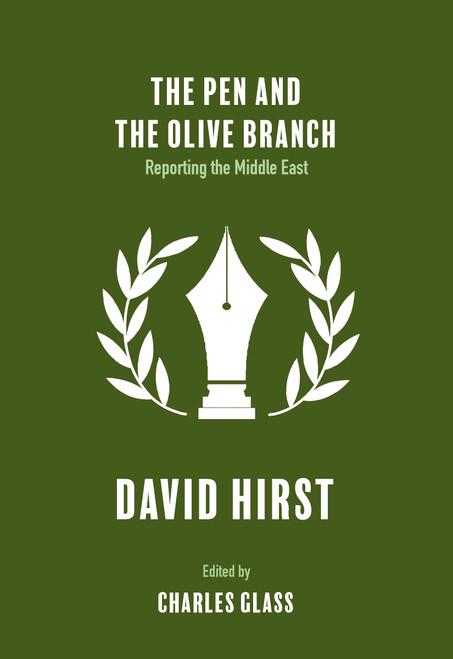
The Pen and the Olive Branch
“With his quiet manner and vivid pen, David was a scourge of the powerful.”
—Middle East Eye“Classic.”
—Edward Said“A brilliant analytical mind.”
—Robert Fisk“One of the most respected journalists of his generation, recognised by his peers as an eminently meticulous chronicler of Middle Eastern affairs.”
—The National“No western foreign correspondent has ever had his range of contacts who trusted him, or his depth of research reading.”
—Victoria Brittain“David could make a roomful of boisterous hacks fall silent as he quietly expounded his thoughts. His words had such unmistakable weight and authority.”
—The Guardianabout the bookabout
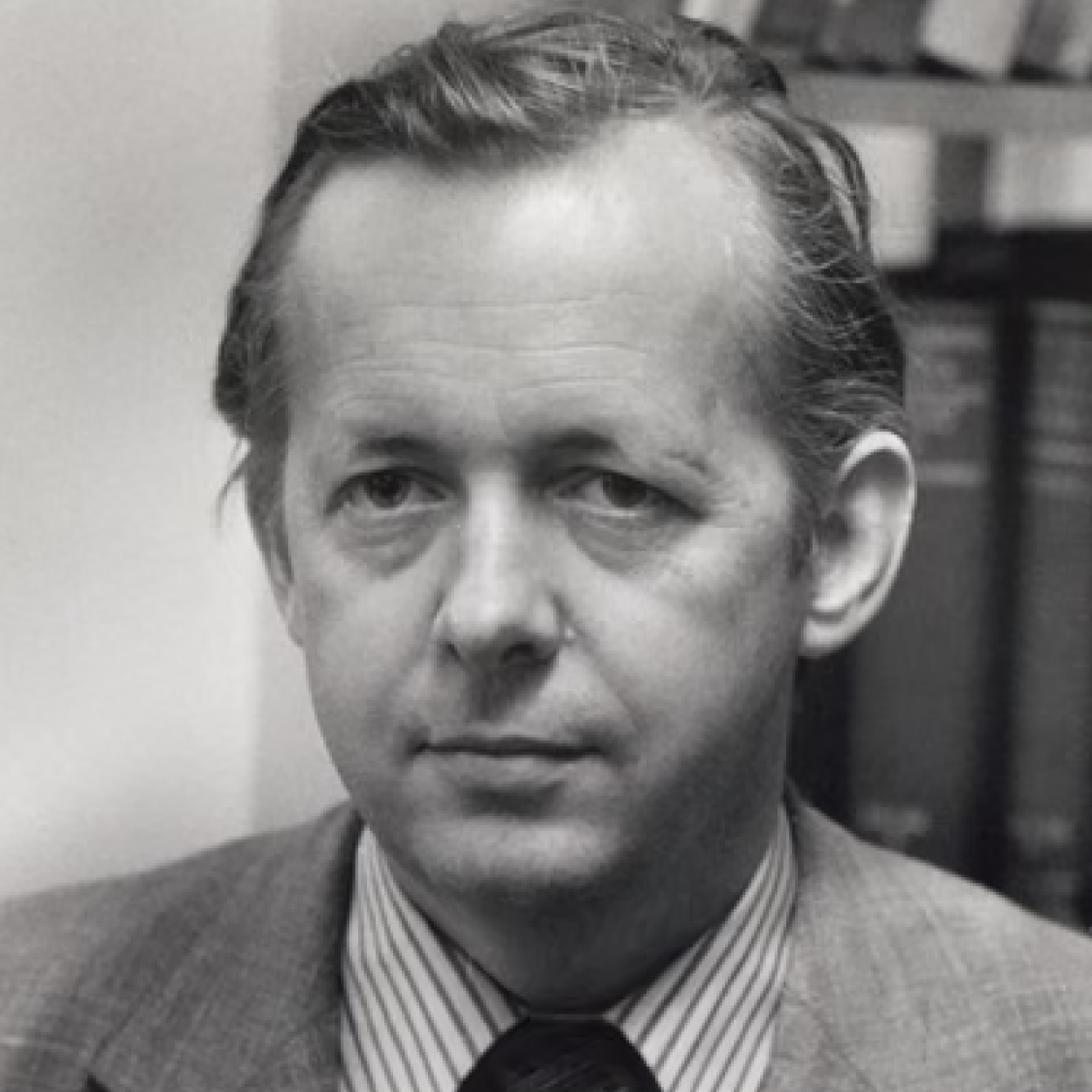
Over nearly a half century, David Hirst was The Guardian newspaper’s indispensable voice from the Middle East. He was a correspondent of rare courage, scholarship, and clarity, whose reporting on the region’s defining crises guided generations of readers through an otherwise impenetrable world. When other Western journalists fled Lebanon in the late 1980s, Hirst stayed, living and working in Beirut for most of his adult life, surviving two kidnapping attempts, and filing from wars, sieges, and states of emergency across the region.
This landmark book gathers the best of Hirst’s reporting from the 1967 Arab-Israel War through the Lebanese Civil War, repeated Israeli invasions of Lebanon, two Palestinian intifadas, and the 1991 Gulf War, down to the US invasions of Afghanistan and Iraq. Here are the dispatches and long-form analyses that earned Hirst a reputation as one of the great independent Western journalists of his era—a writer whose commitment to honest reportage saw him barred from six Arab countries.
Hirst’s journalism was, unusually, also scholarship. A graduate of the American University of Beirut, he brought an academic’s command of history to daily correspondence, along with a virtuoso reporter’s instinct for what mattered. The pieces collected in these pages reveal how prescient Hirst could be: on Palestinian leader Yasser Arafat’s fatal compromises, on the Oslo process’s poisoned promise, on the structural violence of occupation, on the region’s leaders and their contradictions. It is reportedly one of Hirst’s greatest regrets that, as the still ongoing genocide in Palestine unfolded, he was unable to finish another revised edition of his celebrated The Gun and the Olive Branch. In its stead, this magnificent retrospective will allow readers to apply his forensic analysis to the current crisis.
About The Author / Editor
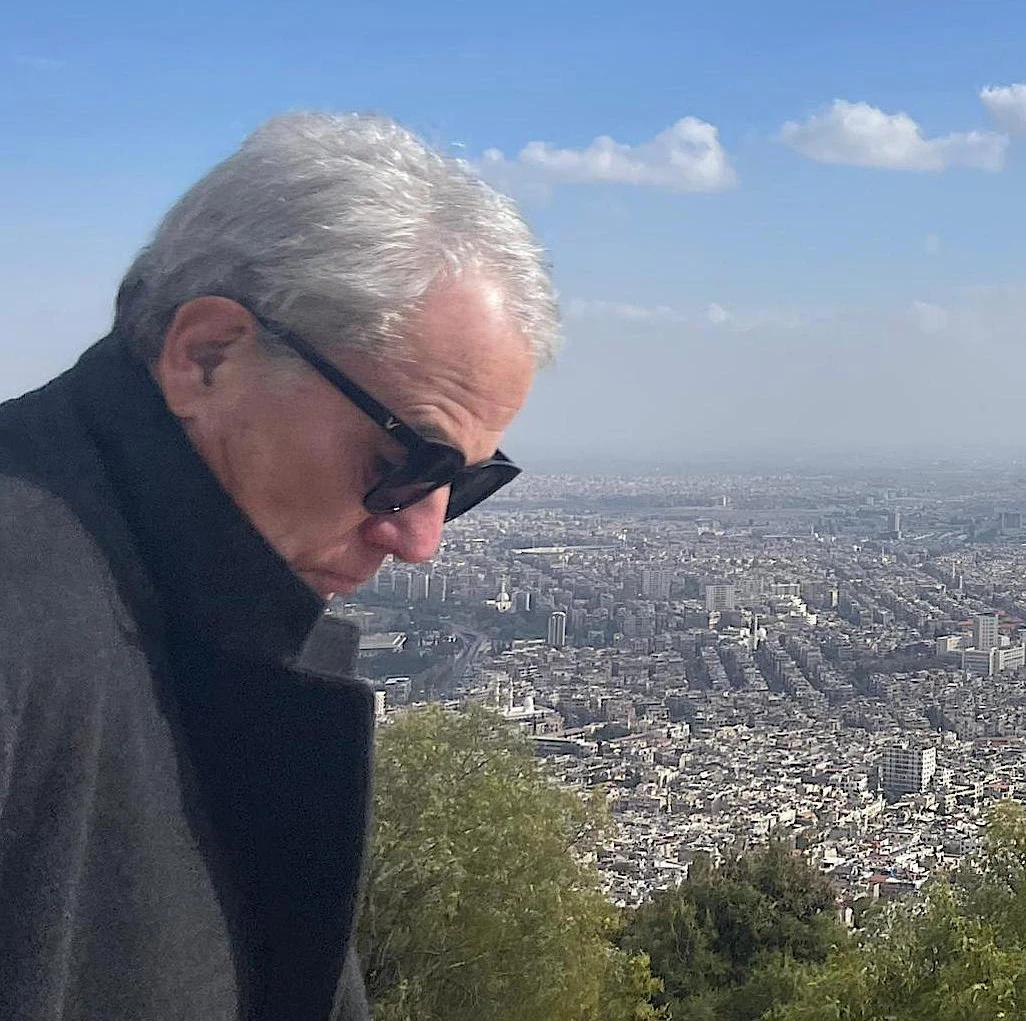
Preview
Guardian Man Evades Kidnap
27 September 1986
How to get to Quobayat, the Christian village in the rugged far north of Lebanon on which the Paris bombings have conferred such a sudden international notoriety? I waited to hear the brothers—and supposed confederates—of Georges Ibrahim Abdullah, accused by the French police of participating in the terrorist campaign, protest their innocence.
But how to get anywhere, these days, in the crazy mosaic of mutually hostile cantons, and the sometimes dangerous crossings between them, that is Lebanon after 11½ years of a barbarous civil war? How many thousands of Lebanese have been shot, murdered or kidnapped trying to do just that?
A northern political boss, a good friend of mine in his earlier, businessman's days, providentially turned up in West Beirut with his bulletproof car and insisted on taking me with him one way—through the Druzes' mountain fiefdom, down into the Beka'a Valley, stomping ground of Syrian soldiers, Iranian revolutionary guards, and back over Mount Lebanon to the Syrian-controlled Akkar valley to the far north. But a mischance ruled that out.
The next best thing was the “Museum Crossing,” in the heart of Beirut, closed to all but a few who can secure the necessary pass but safer than any other route for those who do. But mischance again intervened. Yesterday, owing to some obscure wrangle, passes became unobtainable.
So it had to be the “southern suburbs,” the vast Shi'ite slum which, since the rise of Hezbollahis and fundamentalists, is apt to send a tremor through most outsiders, especially Christians and the few westerners who still inhabit the city.
Though there ran the last open crossing between the Christian and Muslim halves of this ever more divided capital. I didn't like it much, but surely two cars, a taxi driver and myself in the first and three armed men in the one behind, would be precaution enough?
But mischance can be a dogged foe. And it came, this time, in the shape of one flat tyre as we had set out, and then, the sudden blow-out of another as we negotiated the open sewers and gigantic potholes of the narrow winding track through the chaotic sleazy architecture, and rapidly disappearing pastureland of the suburbs' outermost reaches. Yet there was no real menace in the air. It was 6.30 in the morning. Very few people were about, and I had few qualms, when the escort nipped up the road “for a couple of minutes” to bring help.
But I should have paid more attention to three young men in a beige BMW who passed in one direction and then returned in the other. When they suddenly emerged on foot I cursed myself for not having marked the tell-tale signs, the mean, inquisitive looks, of thugs on the prowl.
“Papers,” one of them demanded. I produced my press card. “American?” a second man asked the first, scarcely able to believe such luck. “No, British,” the first replied, with an air of implying that, these days, that was just as good a prize.
They told me to come with them, as is kidnappers' wont, for an “investigation.” There had been no guns so far: this was, after all, a main, if still largely deserted, thoroughfare. But my escorts' two minutes' absence agonisingly prolonged itself beyond my ability to resist the physical manhandling.
A man opening his hole-in-the-wall repair shop six yards away cast a glance in our direction, and then busied himself with other things.
Once inside their car, the pistols came out—one pressed to my head, from the young and clean-shaven villain in the rear.
As we lurched through the rabbit warren that is the “southern suburbs,” I pondered my prospects. If I was lucky, I thought, my kidnappers might be content with the $600 in my pocket, a small fortune in these times of collapsing national currency.
But inevitably my thoughts took a darker turn—to two of my British predecessors, Leigh Douglas and Philip Padfield, who, kidnapped shortly before the American raid on Libya, were found murdered shortly after it. They had apparently been “sold” by just such freelance abductors as mine to a pro-Libyan organisation.
A black cloth descended over my eyes as we jolted to a halt. But I got it off. We were in a small, apparently deserted backwater, with older-established dwellings on one side, countryside on a second, and crude breeze-block hovels going up on a third.
Into one of these, it was clear, they wanted to drag me. I felt I would be done for once I was in there. I resisted, and yelled at the top of my voice, but with little enthusiasm as my neighbour in my plight hissed half in Arabic, half in broken English: “Shut up, shut up, or I kill you, I kill you now.”
I
redoubled my efforts as a man emerged from one of the houses. But, passing within three yards of this commotion, he made as if he did not see it. I thought it was going to be hopeless.
But then, or so it seems, my abductors began to cast anxious glances around. Perhaps my yelling was having some effect, and I think I more imagined than saw faces beginning to appear in windows and doorways. I broke loose and ran 20 yards into an alley. There was little real pursuit, and no pistol shot from the rear. I believed I had made it, and 50 yards further on I was sure when, stumbling into a thoroughfare awakening to the new day, I hailed a passing taxi already slowing for this unexpected fare.
I had lost all the contents of my briefcase, my passport, driving licence, etc, and, above all, 10 years of accumulated telephone numbers.
But that was a small emotion compared to the relief and elation at this bizarre working of chance within mischance, so familiar to the inhabitants of this jungle-city. I knew how very lucky I was to be free and—very possibly alive.
in the media
Related Interest
Related Interest
The Pen and the Olive Branch
“With his quiet manner and vivid pen, David was a scourge of the powerful.”
—Middle East Eye“Classic.”
—Edward Said“A brilliant analytical mind.”
—Robert Fisk“One of the most respected journalists of his generation, recognised by his peers as an eminently meticulous chronicler of Middle Eastern affairs.”
—The National“No western foreign correspondent has ever had his range of contacts who trusted him, or his depth of research reading.”
—Victoria Brittain“David could make a roomful of boisterous hacks fall silent as he quietly expounded his thoughts. His words had such unmistakable weight and authority.”
—The Guardianabout the bookabout
Over nearly a half century, David Hirst was The Guardian newspaper’s indispensable voice from the Middle East. He was a correspondent of rare courage, scholarship, and clarity, whose reporting on the region’s defining crises guided generations of readers through an otherwise impenetrable world. When other Western journalists fled Lebanon in the late 1980s, Hirst stayed, living and working in Beirut for most of his adult life, surviving two kidnapping attempts, and filing from wars, sieges, and states of emergency across the region.
This landmark book gathers the best of Hirst’s reporting from the 1967 Arab-Israel War through the Lebanese Civil War, repeated Israeli invasions of Lebanon, two Palestinian intifadas, and the 1991 Gulf War, down to the US invasions of Afghanistan and Iraq. Here are the dispatches and long-form analyses that earned Hirst a reputation as one of the great independent Western journalists of his era—a writer whose commitment to honest reportage saw him barred from six Arab countries.
Hirst’s journalism was, unusually, also scholarship. A graduate of the American University of Beirut, he brought an academic’s command of history to daily correspondence, along with a virtuoso reporter’s instinct for what mattered. The pieces collected in these pages reveal how prescient Hirst could be: on Palestinian leader Yasser Arafat’s fatal compromises, on the Oslo process’s poisoned promise, on the structural violence of occupation, on the region’s leaders and their contradictions. It is reportedly one of Hirst’s greatest regrets that, as the still ongoing genocide in Palestine unfolded, he was unable to finish another revised edition of his celebrated The Gun and the Olive Branch. In its stead, this magnificent retrospective will allow readers to apply his forensic analysis to the current crisis.
About The Author / Editor
Preview
Guardian Man Evades Kidnap
27 September 1986
How to get to Quobayat, the Christian village in the rugged far north of Lebanon on which the Paris bombings have conferred such a sudden international notoriety? I waited to hear the brothers—and supposed confederates—of Georges Ibrahim Abdullah, accused by the French police of participating in the terrorist campaign, protest their innocence.
But how to get anywhere, these days, in the crazy mosaic of mutually hostile cantons, and the sometimes dangerous crossings between them, that is Lebanon after 11½ years of a barbarous civil war? How many thousands of Lebanese have been shot, murdered or kidnapped trying to do just that?
A northern political boss, a good friend of mine in his earlier, businessman's days, providentially turned up in West Beirut with his bulletproof car and insisted on taking me with him one way—through the Druzes' mountain fiefdom, down into the Beka'a Valley, stomping ground of Syrian soldiers, Iranian revolutionary guards, and back over Mount Lebanon to the Syrian-controlled Akkar valley to the far north. But a mischance ruled that out.
The next best thing was the “Museum Crossing,” in the heart of Beirut, closed to all but a few who can secure the necessary pass but safer than any other route for those who do. But mischance again intervened. Yesterday, owing to some obscure wrangle, passes became unobtainable.
So it had to be the “southern suburbs,” the vast Shi'ite slum which, since the rise of Hezbollahis and fundamentalists, is apt to send a tremor through most outsiders, especially Christians and the few westerners who still inhabit the city.
Though there ran the last open crossing between the Christian and Muslim halves of this ever more divided capital. I didn't like it much, but surely two cars, a taxi driver and myself in the first and three armed men in the one behind, would be precaution enough?
But mischance can be a dogged foe. And it came, this time, in the shape of one flat tyre as we had set out, and then, the sudden blow-out of another as we negotiated the open sewers and gigantic potholes of the narrow winding track through the chaotic sleazy architecture, and rapidly disappearing pastureland of the suburbs' outermost reaches. Yet there was no real menace in the air. It was 6.30 in the morning. Very few people were about, and I had few qualms, when the escort nipped up the road “for a couple of minutes” to bring help.
But I should have paid more attention to three young men in a beige BMW who passed in one direction and then returned in the other. When they suddenly emerged on foot I cursed myself for not having marked the tell-tale signs, the mean, inquisitive looks, of thugs on the prowl.
“Papers,” one of them demanded. I produced my press card. “American?” a second man asked the first, scarcely able to believe such luck. “No, British,” the first replied, with an air of implying that, these days, that was just as good a prize.
They told me to come with them, as is kidnappers' wont, for an “investigation.” There had been no guns so far: this was, after all, a main, if still largely deserted, thoroughfare. But my escorts' two minutes' absence agonisingly prolonged itself beyond my ability to resist the physical manhandling.
A man opening his hole-in-the-wall repair shop six yards away cast a glance in our direction, and then busied himself with other things.
Once inside their car, the pistols came out—one pressed to my head, from the young and clean-shaven villain in the rear.
As we lurched through the rabbit warren that is the “southern suburbs,” I pondered my prospects. If I was lucky, I thought, my kidnappers might be content with the $600 in my pocket, a small fortune in these times of collapsing national currency.
But inevitably my thoughts took a darker turn—to two of my British predecessors, Leigh Douglas and Philip Padfield, who, kidnapped shortly before the American raid on Libya, were found murdered shortly after it. They had apparently been “sold” by just such freelance abductors as mine to a pro-Libyan organisation.
A black cloth descended over my eyes as we jolted to a halt. But I got it off. We were in a small, apparently deserted backwater, with older-established dwellings on one side, countryside on a second, and crude breeze-block hovels going up on a third.
Into one of these, it was clear, they wanted to drag me. I felt I would be done for once I was in there. I resisted, and yelled at the top of my voice, but with little enthusiasm as my neighbour in my plight hissed half in Arabic, half in broken English: “Shut up, shut up, or I kill you, I kill you now.”
I
redoubled my efforts as a man emerged from one of the houses. But, passing within three yards of this commotion, he made as if he did not see it. I thought it was going to be hopeless.
But then, or so it seems, my abductors began to cast anxious glances around. Perhaps my yelling was having some effect, and I think I more imagined than saw faces beginning to appear in windows and doorways. I broke loose and ran 20 yards into an alley. There was little real pursuit, and no pistol shot from the rear. I believed I had made it, and 50 yards further on I was sure when, stumbling into a thoroughfare awakening to the new day, I hailed a passing taxi already slowing for this unexpected fare.
I had lost all the contents of my briefcase, my passport, driving licence, etc, and, above all, 10 years of accumulated telephone numbers.
But that was a small emotion compared to the relief and elation at this bizarre working of chance within mischance, so familiar to the inhabitants of this jungle-city. I knew how very lucky I was to be free and—very possibly alive.